
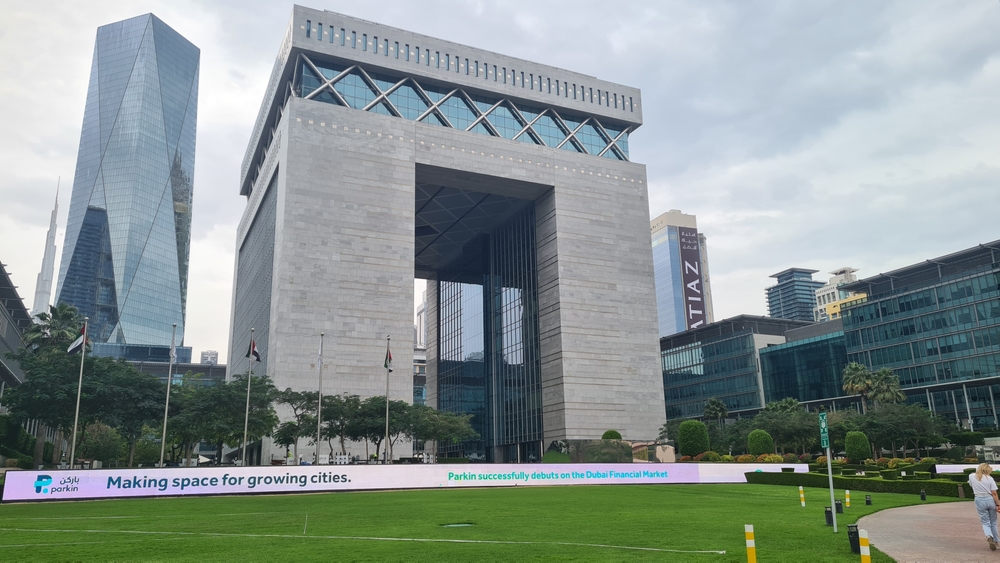
In 2004, the Dubai International Financial Centre (DIFC) opened its doors with an ambitious mission: to change the face of finance in the region. For over twenty years, the DIFC has been the engine room for trade and capital across a massive footprint of 77 countries and nearly four billion people. Spurred on by the continual pursuit of innovation, it’s a vibrant, trusted ecosystem where global giants and hungry startups work side-by-side, with an eye on the future.
All of this makes a DIFC holding company a popular structure for investors, family offices, and corporate groups seeking a robust legal and regulatory framework and international credibility.
How to set up a DIFC holding company will tell you all you need to know about how and why you should set up your holding company in the DIFC.
Table of Contents
ToggleWhat is a DIFC holding company?
A DIFC holding company is a straightforward legal setup in the Dubai International Financial Centre built specifically to own shares, assets, or investments, and nothing more. Its entire purpose is to passively hold things like equity in other companies, property, or even intellectual property, without jumping into the daily grind of running a business or trading away.
Think of it like the ultimate portfolio manager for your bigger plays. It keeps everything tidy under one roof, letting you focus on ownership rather than the operational headaches.
Why set up a holding company in DIFC?
There are many reasons why you should set up a holding company in DIFC. For a start, it gives you a common-law framework, top-tier investor protection, and that global stamp of credibility you can bank on.
The real draw here is the setup. By centralising these assets under a single entity, you get a consolidated view of your entire group. As you can imagine, this significantly streamlines governance and allows shareholders to have high-level oversight and control without the hassle of having to manage the day-to-day logistics of a business.
It’s a smart move if you’re juggling international assets because DIFC’s English common law setup brings real legal certainty and clear governance rules that everyone respects worldwide. You get to pull all your holdings together, whether it’s subsidiary shares or real estate, making oversight simple without micromanaging every detail. And with Dubai’s strategically advantageous position between East and West, plus full foreign ownership and easy capital flows, it’s perfect for anyone eyeing cross-border growth with zero hassle.
Key benefits of a DIFC holding company
1. An internationally recognised legal environment
Your DIFC holding company runs on an English common-law framework, backed by independent courts and regulations. For investors and corporate groups, this means you get the kind of legal certainty and predictability you can trust. For global companies, this is familiar territory, particularly useful when you’re juggling assets or subsidiaries across different countries.
2. Full foreign ownership and control
Yes, as a foreigner, DIFC lets you own 100% of your holding company. No local partners or sponsors. You keep complete control over ownership, decisions, and where you’re headed long-term. This matters whether you’re running a family office, managing international investments, or coordinating a global group structure.
3. Centralised ownership and asset management
A DIFC holding company is a neat, straightforward way to keep everything in one place. Shares in operating companies, real estate, IP, whatever you’ve got put it in your company. Centralising it all makes oversight easier, tightens up governance, and gives you proper flexibility to adjust and restructure your portfolio as things change.
4. Practical substance and visa flexibility
Unlike those offshore setups that basically exist on a spreadsheet somewhere, your DIFC holding company can have an actual presence in Dubai. That means real office space and the ability to sort residency visas for shareholders, directors, and key team members. You can genuinely run things from inside one of the world’s most connected financial hubs.
5. Strong credibility with banks and investors
Being set up in DIFC carries real weight. The Centre’s regulatory standards, transparency, and international standing help your holding company earn trust with banks, institutional partners, and co-investors. That usually means smoother banking relationships, better access to funding, and everyone feeling a lot more comfortable doing business with you.
Who should consider a DIFC holding company?
If you’re a high-net-worth individual, part of a family office, or running a corporate group, a DIFC holding company is likely on your radar. It’s the go-to choice for investors who want a world-class setup to manage their portfolios without the headache of running daily shop-floor operations.
If your main goal is protecting assets, planning for the long term, or managing international investments, this structure often makes way more sense than a standard free zone setup. It’s about strategy, not just “doing business.”
DIFC holding company vs operating company
It helps to think of these as two completely different tools in your kit:
The Holding Company
This one is all about “passive” ownership. Its only job is to sit back and hold onto things – like shares in other firms, property, or investments. It doesn’t sell products, it doesn’t provide services, and it doesn’t get involved in active trading. It’s the vault where your assets live.
The Operating Company
This is where the action happens. An operating company is on the ground, making deals and generating revenue through daily business activities. It needs a specific license for whatever it’s doing and handles the actual commercial heavy lifting.
Permitted activities of a DIFC holding company
Simply put, a DIFC holding company is about oversight. This means, it can hold and manage assets, like shares in other companies, real property, intellectual property, and diversified investments across jurisdictions. The company cannot run regular commercial operations or trade as a primary business.
Requirements to set up a DIFC holding company
Setting up a holding company in the DIFC is about more than just filling out forms. The regulators here want to see that your structure has a clear purpose and that the people behind it are the real deal. Essentially, they’re looking for transparency, good governance, and a setup that fits within the DIFC’s high standards.
Here is a quick look at what you’ll need to get started:
- Shareholder: You’ll need to share details on your shareholders and directors – ID, contact info, and usually a proof of address. It’s all about knowing who’s ultimately in the driver’s seat.
- Define your purpose: You have to define exactly what the company is for. Are you managing a family portfolio, consolidating group assets, or overseeing subsidiaries?
- Secure an office: You must have a registered office address right here in the DIFC. Even if you don’t have a massive team on the ground, having a physical “anchor” shows you’re serious.
- Documents: You’ll need your constitutional documents ready to go, specifically your Memorandum and Articles of Association.
During the process, don’t be surprised if they ask for a few extras, like an ownership chart or board resolutions. They’ll also want to see that you’re up to speed on things like corporate tax and economic substance rules.
While it might feel like a lot of paperwork, this is exactly why the DIFC has such a great reputation. It ensures your company isn’t just a “paper shell” but a solid, respected entity that’s built to last.
Documents required to register a DIFC holding company
When you’re getting your DIFC holding company off the ground, the paperwork is really all about clarity – showing exactly who owns the business, who’s running the show, and how the whole thing fits together. The list is pretty straightforward, but getting these right helps the DIFC team breeze through your application with confidence.
- Passport copies for shareholders and directors These are the basics. They confirm exactly who is involved and help the DIFC establish clear ownership and control right from day one.
- Proof of address documents Usually, a recent utility bill or a bank statement does the trick. These verify where shareholders and directors are based, which is a big part of the transparency the Centre expects.
- Corporate documents (if a shareholder is a company) If another company is going to own the shares, you’ll need to provide its incorporation and “good standing” papers. This just proves that the parent company is legally allowed to own the new holding structure.
- Ownership structure chart This is like a family tree for your business. It’s a simple visual map that shows where the holding company sits within the bigger picture, which is super helpful if you have multiple layers or companies in different countries.
- Board resolutions authorising the setup This is the formal “green light.” These documents prove that the decision to create the DIFC company and appoint its directors has been officially signed off by the right people at the top.
Collecting these pieces ensures your holding company isn’t just a name on a page, but a well-organized entity that’s ready to operate in a world-class financial hub.
Step-by-step process to set up a DIFC holding company
Setting up a DIFC holding company follows a clear, regulated path that typically wraps up in a few weeks if everything’s lined up right—from picking your structure to getting the green light from regulators.
Step 1: Define the holding structure and purpose
Kick things off by choosing between an intermediate holding company (purely for owning shares without DIFC business activities) or an active one (which can offer management services to subsidiaries). Decide what legal form you are going to take – a Limited Liability Company works for multiple shareholders; a sole establishment is good for solo operators. Be clear and you’ll help keep the approvals smooth.
Step 2: Prepare incorporation and compliance documents
Get your paperwork together: A Memorandum and Articles of Association to lay out the company’s rules and purpose; a shareholders’ agreement so everyone knows what their rights and duties are; board resolutions will show that the setup and directors are approved by all, plus passport copies and proof of address for everyone. Double-check everything meets DIFC rules and you’ll help due diligence down the line.
Step 3: Submit the application to DIFC
The place to submit your application is on the DIFC Registrar of Companies portal (or use a registered agent). Be sure to include name reservation (choose something unique that fits your focus). They’ll review for compliance, assess your structure, and run any needed checks. Having spot-on docs here keeps delays at bay.
Step 4: Obtain registration and licensing approval
Once approved, you’ll get your Certificate of Incorporation and commercial licence tailored to holding activities. For passive setups, that’s often it; active ones might need extra steps like office leasing or visas, but you’re officially in business and ready to hold those assets.
Cost of setting up a DIFC holding company
Expect to pay around USD 800 for name reservation, USD 8,000 for incorporation, and USD 12,000 annually for the commercial license when setting up a DIFC holding company. These costs can vary based on your exact structure, office needs, and any extras like visas.
You’ll also factor in a one-time data protection fee of USD 500 (plus USD 250 yearly renewal), office space starting at USD 27,000 for a basic one-desk setup in the DIFC Business Centre, and professional fees for legal help which often run into several thousand more.
Add visa costs at about USD 1,500 each if you need staff residency, and annual renewals that mirror the license fees.
Total first-year outlay for a straightforward holding company usually lands between USD 25,000 to USD 50,000, but always double-check with DIFC for the latest as rates can shift.
Ongoing compliance requirements for a DIFC holding company
DIFC entities must meet governance and reporting obligations, including annual filings, licence renewals, and maintaining accurate records. Entities must also comply with requirements such as Economic Substance Regulations where applicable.
How long does it take to set up a DIFC holding company?
Typical timelines for DIFC holding company registration are usually a few weeks, depending on documentation readiness and regulatory review. Efficient submission and complete paperwork help speed up approvals.
How Decisive Zone helps you set up a DIFC holding company
Decisive Zone supports business setup in Dubai by assisting with structuring and establishing DIFC holding companies, guiding clients through jurisdiction choice, licence applications, compliance filings, and operational readiness. Drawing on experience in corporate services, they help streamline the process from planning to approval, providing strategic support for investors and international groups.
Ready to launch your DIFC holding company? Contact Decisive Zone for expert guidance and a seamless setup experience.
Frequently asked questions
What is a DIFC holding company used for?
A DIFC holding company is used to hold and manage investments, shares, assets, or real estate interests in a safe, internationally recognised jurisdiction.
Can foreigners own a DIFC holding company?
Yes, DIFC holding companies allow 100% foreign ownership without a local sponsor.
Is a DIFC holding company allowed to trade?
No, it is primarily a passive asset-holding entity and not intended for regular commercial trading.
How much does it cost to set up a DIFC holding company?
Total first-year outlay for a straightforward holding company usually lands between USD 25,000 to USD 50,000, but always double-check with DIFC for the latest as rates can shift.
How long does DIFC company registration take?
Registration typically takes a few weeks once all documentation is submitted and approved.