
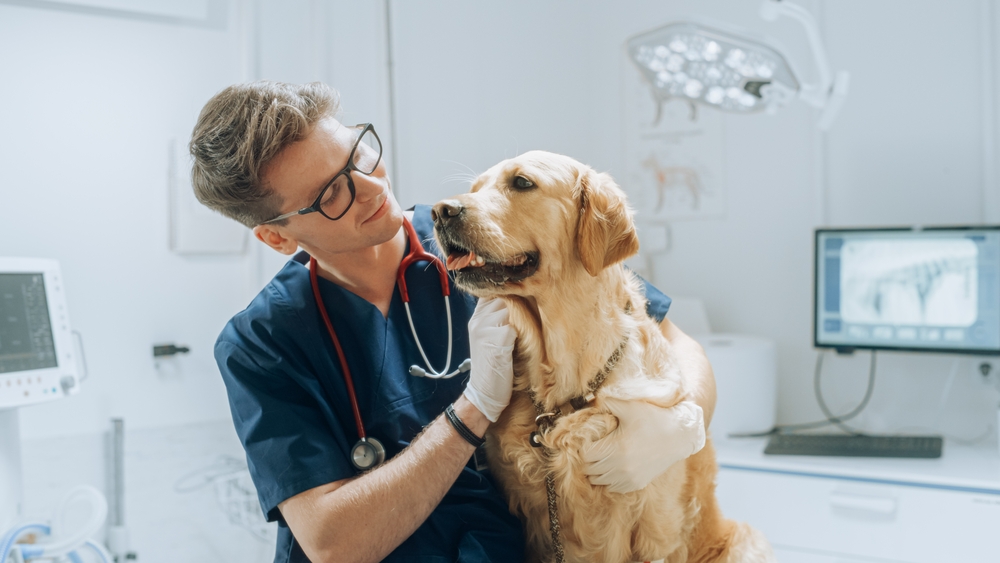
Residents of Dubai love their pets. So much so that Dubai’s pet ownership numbers have climbed steadily over the past decade. In a nation of animal lovers, it’s no surprise that there is a growing demand for quality veterinary care. The city’s large expat community, its pet-friendly residential developments, and a growing shift towards treating animals as family members have all combined to make veterinary services a very promising healthcare sector to invest in right now.
Of course, a love for animals isn’t enough to open a veterinary clinic. The process involves specialised licensing, regulatory approvals from multiple authorities, and strict facility requirements. This guide covers everything you need to know about how to open a veterinary clinic in Dubai.
Table of Contents
ToggleWhat is a veterinary clinic license in Dubai?
A veterinary clinic license is a must if you want to provide animal healthcare services in Dubai. It covers everything from consultations, diagnoses, treatments, minor and major surgical procedures, vaccinations and dental care to laboratory testing, animal ambulance services and preventive care.
With this license, you can care for pets and farm animals. The scope of services and the facility requirements will differ depending on the type of clinic you run – primary, comprehensive, or specialized. A primary clinic, for example, has a lighter set of requirements than a comprehensive clinic.
While the license covers a broad range of services, it does not include non-clinical animal boarding or farm support activities such as sheep shearing or artificial insemination without a specific license. Any radiological activity will also need a separate approval from the Federal Authority for Nuclear Regulation (FANR).
Mainland vs free zone veterinary clinic setup
Veterinary clinics are almost always set up on the mainland, and for good reason, the regulatory framework, physical facility requirements, and the nature of the services all point toward a mainland structure.
Mainland veterinary clinic setup
A mainland setup gives you direct access to clients across Dubai without any geographic or operational restrictions. You can lease premises anywhere in the emirate, work with walk-in patients, and align directly with the relevant regulatory bodies. Mainland clinics give you the flexibility to grow without needing to restructure your business setup.
Free zone limitations for veterinary clinics
While free zones in Dubai do issue trade licenses for veterinary practices, you may not consider it the best choice once you’ve heard the limitations. A free zone license covers the commercial and administrative aspects of running a veterinary business, but the physical clinic itself, where animals are examined and treated, must comply with mainland regulatory requirements and obtain approvals from Dubai Municipality and MOCCAE.
So, a free zone trade license alone does not allow you to open and operate a fully clinical veterinary facility without additional mainland approvals. If you’re planning a hands-on clinic, a mainland setup is the simpler path.
Regulatory approvals required to open a veterinary clinic
Three separate approvals are required before you can open your doors, each from a different authority.
First, MOCCAE (the Ministry of Climate Change and Environment) will issue the federal veterinary establishment license. It’s valid for one year, renewed annually, and costs AED 500 per activity. Before they issue it, the ministry will conduct a thorough inspection of your premises.
Once your trade license is issued, you’ll need sign-off from Dubai Municipality’s Public Health Department confirming the clinic meets local health and safety standards.
The third only matters if you plan to offer X-ray or other imaging services, in which case you’ll also need a license from FANR (the Federal Authority for Nuclear Regulation). This one applies whether you’re on the mainland or in a free zone, and it needs to be in place before any imaging equipment is switched on.
Requirements to open a veterinary clinic in Dubai
Professional qualifications and facility compliance are the two non-negotiables when opening a veterinary clinic in Dubai. Authorities will check both before any license is issued.
- Licensed veterinarian – Every clinic must have at least one licensed veterinarian on staff. A primary clinic requires a minimum of one, while a comprehensive or specialised clinic requires at least two, plus one veterinary technician. The qualifications must be recognized by the relevant UAE authorities, and the vets must be registered to practice.
- Clinic facility standards – The premises must meet specific requirements depending on the clinic type. A primary clinic needs at least a dedicated examination, treatment, and minor surgery room, plus a private office for the vet. Comprehensive clinics need a reception area, a separate surgery room, a medical imaging room, an internal pharmacy, and general storage.
- Equipment requirements – Equipment must be appropriate to the animal species listed in the license. All clinics must have a refrigerator for storing vaccines and medicines, fire-fighting equipment, suitable waste disposal arrangements, and proper ventilation and lighting. Everything must be easy to clean and sterilize.
- Trade license – Of course, you’ll need a valid trade license issued by the relevant authority before you can proceed with any regulatory approvals.
- Health and safety compliance – Your premises must have an adequate water supply, a sanitation system, closed-loop waste containers, and either a waste burner or a contract with a licensed waste disposal company. It must not be connected to or open onto any residential property.
Documents required to open a veterinary clinic
The documentation required covers three main areas: the people involved in the business, their professional credentials, and the physical premises.
Shareholder and owner documents
You’ll need passport copies for all shareholders and owners, along with valid visa documentation and Emirates ID where applicable. If the clinic is being set up as a company, the corporate structure documents (Memorandum of Association or similar) will also be required.
Professional qualification documents
All practicing veterinarians must submit copies of their veterinary degrees, professional licenses, and any specialist certifications. These credentials need to be attested and, where necessary, translated into Arabic. The qualifications must be recognized by the relevant UAE authorities.
Facility and clinic documentation
You’ll need a copy of the lease or ownership contract for the premises, a copy of the approved trade license, and, depending on the clinic type, a site plan and floor layout prepared by an engineering office approved by the competent local authority. For clinics that require environmental clearance, a copy of the permit issued by the relevant local authority is also required.
Step-by-step process to open a veterinary clinic in Dubai
The process is straightforward once you know what’s coming. Work through each step in order, as skipping ahead tends to create problems down the line.
Step 1 – Choose business activity and structure
The activity code you need is 7500.94 (Veterinary Clinic). Alongside that, decide on your legal structure – sole establishment, LLC, or otherwise – and whether you’re going mainland or free zone. For a working clinical facility, mainland is almost always the better fit.
Step 2 – Choose trade name
Your clinic name needs to follow UAE naming rules: nothing offensive, no religious or political references, and no names that mimic a well-known institution. It should also make clear what you do. Name reservation is handled by DED for mainland setups.
Step 3 – Obtain initial approval
This is to confirm that the authorities have approved your activity and structure in principle. It’s what allows you to move forward with finding premises and getting your facility ready.
Step 4 – Secure clinic premises
Your space needs to tick MOCCAE’s boxes. That means that your space needs to be accessible, appropriate for the animal species you’ll be treating, and not connected to residential or unrelated commercial property. Get your lease signed before the next step, as you’ll need it for the regulatory applications.
Step 5 – Obtain regulatory approvals
The busiest part of the process. You’re coordinating a MOCCAE smart inspection, Dubai Municipality sign-off, and, if you’re offering imaging, a FANR application. Running these in parallel, where possible, saves time.
Step 6 – Obtain final license
With inspections completed and approvals in hand, MOCCAE issues the veterinary establishment license electronically within approximately 3 working days. Your trade license is finalized at the same stage. Both are valid for one year.
Cost of opening a veterinary clinic in Dubai
Startup costs vary significantly depending on clinic size, location, and level of services, but a realistic range for a small to mid-size setup is AED 150,000 to AED 1,000,000+, with more advanced or specialist clinics exceeding that range.
Trade license fees
Trade licenses issued by Dubai’s Department of Economy and Tourism typically cost AED 10,000–30,000 per year, depending on the activity and setup. The MOCCAE veterinary activity fee is AED 500 per activity, payable on issuance and renewal.
Clinic setup and fit-out
Fit-out is usually the largest cost component.
- A basic clinic setup may start from around AED 50,000–200,000
- A fully equipped clinic (surgery, imaging, reception) can reach AED 200,000–600,000+, depending on specifications
Medical equipment
Costs vary widely depending on whether you offer diagnostics or surgery:
- Basic equipment (exam tables, storage, sterilisation): from ~AED 30,000+
- Advanced equipment (imaging, surgical tools, lab equipment): AED 150,000–500,000+
Staff salaries
Veterinary salaries vary by experience and role, but typical ranges are:
- Veterinarians: AED 10,000–25,000 per month
- Additional costs for technicians, nurses, and admin staff should be factored in
Government approvals and licensing
You’ll need multiple approvals, including:
- Veterinary establishment licence (MOCCAE): typically AED 5,000–10,000 annually
- Professional licence per veterinarian: AED 500–5,000 depending on type and process
- Municipality inspection and approvals: often AED 2,000–5,000
- Additional approvals (e.g. FANR for X-ray equipment): AED 5,000–10,000 if applicable
Renewal costs
Annual renewals should be budgeted for from the outset. These typically include:
- Trade license renewal
- MOCCAE establishment and professional licence renewals
- Possible inspection or compliance fees
Most licences are renewed yearly, with recurring costs broadly similar to initial licensing fees.
Visa options for veterinary clinic owners and staff
As the business owner or shareholder, you can apply for a UAE investor or partner visa through your company. It is typically valid for two to three years and renewable. It also lets you sponsor family members for residency.
For staff, employment visas are available for veterinarians, technicians, lab staff, and admin roles, all sponsored through the clinic. Processing happens alongside employment contracts and MOHRE registration. The number of visas you can hold is tied to your company structure and the size of your premises.
How long does it take to open a veterinary clinic in Dubai
Realistically, expect the process to take anywhere from six weeks to three months, depending on how prepared you are and how quickly inspections are scheduled.
Once all documents are submitted and fees are paid, MOCCAE’s service completion time for the license itself is three working days. However, the time-consuming parts are what come before that – sourcing and fitting out premises that meet inspection standards, gathering and attesting professional documents, and coordinating multiple regulatory approvals. If your facility needs significant construction or fit-out work, that alone can add weeks to the timeline.
Having all your documents in order before submitting and engaging professionals who know the process is the biggest factor in keeping things on track.
Common mistakes to avoid when opening a veterinary clinic
The most common issues that slow down or derail veterinary clinic setups in Dubai stem from incomplete preparation, not the complexity of the regulations themselves.
Submitting incomplete regulatory applications is one of the most frequent causes of delays. Each authority has specific document requirements, and a missing attestation or an outdated lease agreement can push your timeline back by weeks.
Setting up a facility that doesn’t meet MOCCAE’s physical standards before applying for inspections is another common and costly mistake. Many first-time applicants underestimate the detail involved, such as requirements for wall and floor materials, ventilation systems, waste disposal, and dedicated room configurations, which are all checked during inspection.
Hiring veterinarians who aren’t registered to practice in the UAE is a serious compliance issue that can result in license refusal or, worse, revocation after opening. Always verify that professional credentials are properly attested and recognized before making hiring decisions.
Finally, overlooking the FANR requirement for radiological activities catches some clinic owners off guard. If you plan to offer X-ray services from day one, the FANR application needs to be part of your setup timeline, not an afterthought.
How Decisive Zone helps you open a veterinary clinic in Dubai
Regulated businesses like veterinary clinics involve more moving parts than a standard business setup in Dubai. Multiple authorities, facility inspections, and professional licensing must all align before you can open. That’s why you need Decisive Zone in your corner. We take care of the full process, from your initial structure and trade name through to MOCCAE inspections, staffing, Dubai Municipality approvals, and FANR registration, if needed.
If you’re ready to get started or just want to talk through what’s involved, book a consultation today. We’ll take it from there.
Frequently asked questions
Can foreigners open a veterinary clinic in Dubai?
Yes – foreign nationals can fully own and operate a veterinary clinic in Dubai. Mainland reforms now allow 100% foreign ownership across many business activities, though you’ll still need to meet the standard licensing, qualification, and facility requirements.
Do I need a license to operate a veterinary clinic?
You need two, actually – a trade license and a MOCCAE veterinary establishment license. On top of that, Dubai Municipality’s Public Health Department needs to sign off on the clinic before you can open it to the public.
How much does it cost to open a veterinary clinic in Dubai?
Total startup costs generally range from AED 150,000 to AED 500,000, with larger specialist setups exceeding that range. The main cost areas are your trade license, fit-out, medical equipment, regulatory approvals, and staff salaries.
What qualifications are required to run a veterinary clinic?
Every clinic needs at least one veterinarian with UAE-recognized qualifications. If you’re running a comprehensive or specialized clinic, you’ll need a minimum of two vets plus a veterinary technician on staff.
How long does it take to open a veterinary clinic?
Somewhere between six weeks and three months is realistic for most setups. The main variables include the speed of the facility inspection and the readiness of the documentation from the outset.